
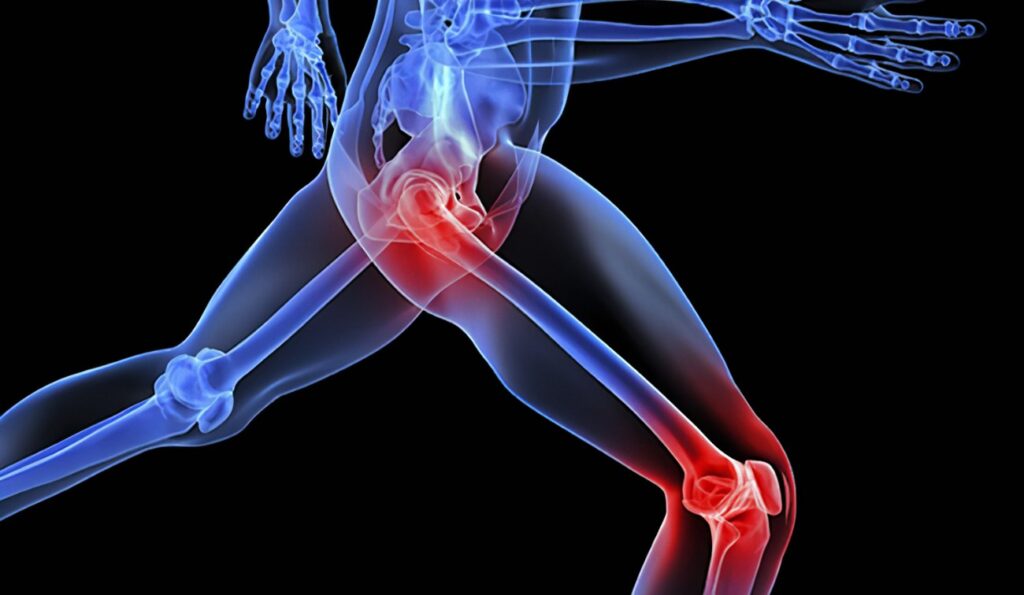
Introduction: Hip and knee pain can significantly impact our daily lives, hindering mobility and diminishing overall well-being. Whether caused by age-related wear and tear, injury, or medical conditions like arthritis, finding effective ways to manage and alleviate discomfort is crucial. In this comprehensive guide, we’ll explore various strategies and lifestyle changes that can help unlock relief and improve the quality of life for those dealing with hip and knee pain.
- Understanding the Source of Pain: Before diving into management strategies, it’s essential to understand the root cause of hip and knee pain. Consulting with a healthcare professional to diagnose the underlying issue is the first step towards effective pain management. Common causes include osteoarthritis, rheumatoid arthritis, bursitis, tendinitis, and injuries.
- Holistic Lifestyle Changes: Adopting a holistic approach to lifestyle can significantly contribute to pain relief. Maintaining a healthy weight reduces stress on the joints, especially in weight-bearing areas like the hips and knees. A balanced diet rich in anti-inflammatory foods, such as fatty fish, fruits, vegetables, and nuts, can help manage chronic pain.
- Regular Exercise for Joint Health: Engaging in regular, low-impact exercises is crucial for joint health. Activities like swimming, walking, and cycling promote flexibility and strengthen the muscles supporting the hips and knees. Strengthening exercises, such as those targeting the quadriceps and hamstrings, can also provide added stability.
- Physical Therapy: Working with a physical therapist can be immensely beneficial for individuals with hip and knee pain. A customized exercise program, along with hands-on techniques, can help improve range of motion, reduce pain, and enhance overall functionality.
- Pain Medications and Anti-Inflammatory Drugs: Over-the-counter pain medications, such as acetaminophen and nonsteroidal anti-inflammatory drugs (NSAIDs), can offer temporary relief from hip and knee pain. However, it’s crucial to use these medications under the guidance of a healthcare professional to manage potential side effects.
- Joint Injections: For more targeted relief, joint injections may be recommended. Corticosteroid injections can provide temporary pain relief by reducing inflammation, while hyaluronic acid injections may improve joint lubrication and cushioning.
- Assistive Devices and Bracing: Depending on the severity of the condition, assistive devices such as canes or braces may be recommended. These tools can help redistribute weight, reduce pressure on affected joints, and provide additional support during movement.
- Mind-Body Techniques: Incorporating mind-body techniques, such as yoga and meditation, can help manage pain by promoting relaxation and reducing stress. These practices contribute to an overall sense of well-being and may complement other pain management strategies.
- Surgical Options: In cases where conservative measures are insufficient, surgical intervention may be considered. Procedures like hip or knee replacement surgery can provide long-term relief and significantly improve joint function.
Conclusion: Managing hip and knee pain requires a multifaceted approach, combining medical interventions, lifestyle changes, and self-care strategies. By understanding the source of pain and adopting a comprehensive plan, individuals can unlock relief, regain mobility, and enhance their overall quality of life. Always consult with healthcare professionals to determine the most suitable combination of strategies for your specific condition.